How Ultrasonic Rat Repellent Sound Technology Helps Deter Rodents

You’re likely aware that rodents pose serious risks to health and property rat repellent spray. Ultrasonic rat repellent sound technology offers a targeted way to address this by emitting high-frequency waves that disrupt rodents’ hearing and behavior without affecting humans. Understanding how these inaudible signals interfere with rodent activity is key to using this technology effectively—and it’s not as simple as just plugging in a device.

Buy Rat Guard – Ultrasonic Rat Repellent System Powerful Rat Control –  Careway Technologies

How Ultrasonic Rat Repellent Sound Technology Works to Deter Rodents

Although you mightn’t hear it, ultrasonic rat repellent devices emit high-frequency sound waves beyond the range of human hearing that specifically target rodents’ sensitive auditory systems.

These sound waves disrupt rodents’ communication and navigation by creating an uncomfortable auditory environment https://igreenasia.com/. You’ll find that the frequencies typically range from 20 kHz to 65 kHz, which rats and mice perceive as distressing noise.

The technology relies on continuous or intermittent pulses that prevent rodents from adapting to the stimulus. When you deploy these devices strategically, they create an invisible barrier that compels rodents to vacate the area.

Unlike physical traps or poisons, ultrasonic repellents leverage rodents’ natural aversion to certain sound patterns, offering an effective, non-invasive deterrent.

You maintain control without sacrificing safety or environmental health.

Benefits of Using Ultrasonic Rat Repellent Over Traditional Methods

Understanding how ultrasonic rat repellent devices disrupt rodent behavior highlights why they offer distinct advantages over traditional control methods. You won’t face the mess or hazards of poisons and traps, enjoying a cleaner, safer environment. These devices emit high-frequency sound waves rodents can’t tolerate, driving them away without harm.

Here are key benefits for you:

  1. Non-toxic and eco-friendly — avoids chemical exposure for your family and pets.
  2. Continuous protection — works 24/7 without needing constant attention.
  3. Humane deterrence — discourages rodents without killing or trapping them.
  4. Easy installation and maintenance — plug in and forget about it.

Ultrasonic repellents provide a modern, efficient solution that respects your space and freedom.

Where and How to Use Ultrasonic Rat Repellent Devices Effectively

When you place ultrasonic rat repellent devices strategically in areas where rodents frequent, you maximize their effectiveness. Position devices near entry points like doors, windows, vents, and cracks where rodents typically infiltrate.

Install them in enclosed spaces such as attics, basements, and garages to contain and direct ultrasonic waves efficiently. Make certain devices face open areas without obstructions, as walls and furniture can block sound waves, reducing coverage.

Maintain an unobstructed range of about 30 feet for peak performance. Power devices continuously for consistent deterrence, and avoid placing them near soft materials that absorb sound.
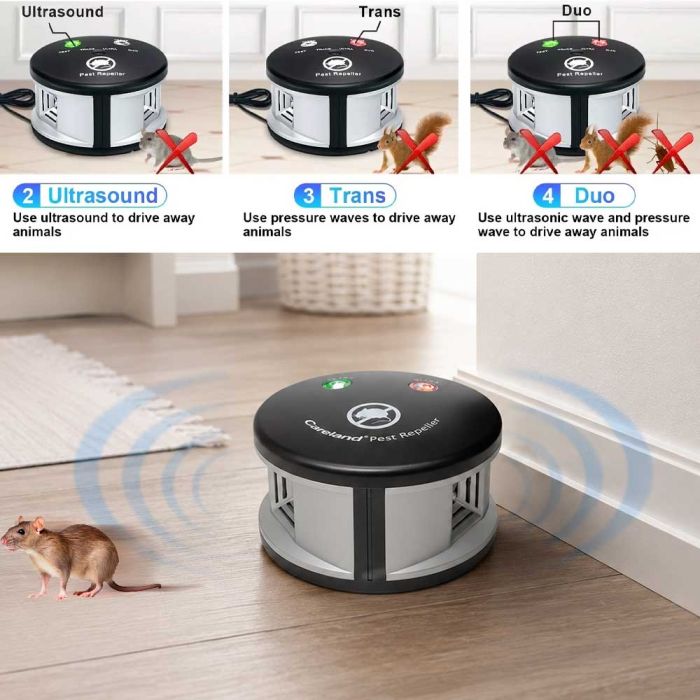
Ultrasonic Electronic Rodent Repeller

Common Challenges With Ultrasonic Repellents and How to Overcome Them

Proper placement and consistent use of ultrasonic rat repellent devices lay the foundation for effective rodent control, but several challenges can still affect their performance. You need to address these issues proactively to maintain freedom from rodents:

  1. Obstructions: Walls and furniture block ultrasonic waves. Place devices in open areas or multiple locations.
  2. Limited Range: Ultrasonic sound covers only a specific radius. Use several units for larger spaces.
  3. Rodent Adaptation: Rodents may habituate over time. Combine ultrasonic repellents with sanitation and exclusion methods.
  4. Power Interruptions: Devices require continuous power. Guarantee stable electricity or use battery backups.

What to Expect: Results and Maintenance for Ultrasonic Rodent Control

Although ultrasonic rat repellent devices offer a non-toxic solution, you should expect gradual results rather than immediate elimination of rodents. These devices emit high-frequency sound waves that disrupt rodent communication and behavior, encouraging them to vacate the area over days or weeks.

Effectiveness depends on proper placement, coverage, and environmental factors. To maintain best performance, clean the device regularly to prevent dust accumulation that can impede sound transmission.

Monitor rodent activity consistently; if you notice persistent presence, reposition the device or combine it with complementary control methods.

Keep in mind that ultrasonic repellents won’t eradicate infestations instantly but serve as part of an integrated pest management strategy, granting you freedom from chemical exposure while steadily reducing rodent intrusion.

Conclusion

By using ultrasonic rat repellent sound technology, you can effectively disrupt rodents’ behavior without harmful chemicals or traps. Proper placement near entry points and regular maintenance are key to maximizing results. While some challenges like sound wave interference exist, addressing them guarantees consistent rodent deterrence. Integrating this technology into your pest management strategy offers a humane, environmentally friendly solution that continuously protects your space from rodent infestations.

Quality Control in Laboratory Testing: Best Practices

When you handle laboratory testing, maintaining quality control isn’t just a recommendation—it’s essential. You need reliable results that stand up to scrutiny lab alliance, making consistent calibration and adherence to protocols critical. But ensuring accuracy goes beyond equipment; your approach to proficiency testing and workflow organization also plays a major role. Understanding these elements can transform your lab’s performance, yet many overlook key practices that could make all the difference.

Quality Control Best Practices in Laboratories: A Step-by-Step Guide –  360medical.ca

Why Quality Control Matters in Laboratory Testing

Although it might seem like a routine step, quality control in laboratory testing directly impacts the accuracy and reliability of your results. When you prioritize quality control, you reduce errors that could mislead decisions or waste resources https://laballiance.com.my/. It ensures that every test you run meets consistent standards, so you can trust the data you generate.

Without it, you risk faulty outcomes that limit your freedom to act confidently and make informed choices. By embracing quality control, you maintain the integrity of your work and protect yourself from costly mistakes. It’s not just about following rules—it’s about giving yourself the freedom to rely on your results and move forward without second-guessing. Quality control empowers you to deliver precise, dependable answers every time.

How to Calibrate Lab Equipment for Accurate Results

Start by understanding that calibrating lab equipment is essential to ensure your test results are accurate and trustworthy.

You’ll want to follow the manufacturer’s guidelines closely, using certified standards and reference materials to adjust your instruments.

Regular calibration helps you avoid errors that could compromise your freedom to rely on your data.

Always document each calibration session, noting any deviations and corrective actions taken.

Use proper tools and maintain a stable environment to prevent fluctuations during calibration.

Don’t skip calibrating after equipment repairs or prolonged downtime.

By staying proactive, you’ll keep your equipment performing at its best, giving you confidence and control over your testing outcomes.

Best Practices for Regular Proficiency Testing

Regularly participating in proficiency testing ensures your laboratory maintains high standards and consistently produces accurate results.

You should schedule tests at regular intervals to track performance objectively and identify areas needing improvement.

Choose reputable proficiency testing providers that offer relevant and challenging samples aligned with your lab’s scope.

Analyze results promptly, comparing them against peers and established benchmarks.

Use this feedback to refine your processes without feeling constrained—embrace the freedom to adapt and improve.

Encourage your team to engage actively in these exercises, fostering a culture of accountability and continuous learning.

Quality Control Methods in Laboratory -

Standardized Protocols to Minimize Testing Errors

Implementing standardized protocols is key to minimizing testing errors in your laboratory. When you follow clear, consistent steps for every test, you reduce variability and ensure reliable results. Make sure your protocols are well-documented and easily accessible so everyone on your team can follow them without guesswork. Regularly update these procedures to reflect the latest best practices and technological advances.

Train your staff thoroughly to understand and adhere to these standards, fostering accountability and precision. By embracing standardization, you gain control over your processes and eliminate unnecessary mistakes, giving you the freedom to focus on meaningful analysis rather than troubleshooting errors. This approach not only safeguards quality but also builds confidence in your lab’s outcomes, empowering you to maintain excellence with ease.

Tips to Improve Lab Efficiency While Maintaining Quality

Boosting lab efficiency doesn’t mean you have to sacrifice quality. Start by organizing your workspace—when everything’s easy to find, you save time and avoid mistakes.

Automate repetitive tasks where you can, freeing you up to focus on analysis and critical thinking.

Keep your equipment well-maintained; downtime for repairs can stall progress and impact accuracy.

Train your team regularly so everyone knows the best practices and protocols inside out. Use checklists to ensure consistency without second-guessing.

Finally, embrace digital record-keeping to reduce paperwork and speed up data retrieval. By integrating these tips, you’ll create a smooth workflow that respects your commitment to precision and lets you work smarter, not harder, giving you more freedom to innovate and excel in your lab.

Conclusion

To ensure reliable lab results, you need to follow best practices consistently. Calibrate your equipment using manufacturer guidelines, participate regularly in proficiency testing, and stick to standardized protocols to minimize errors. Keep your workspace organized, automate repetitive tasks when possible, and maintain thorough documentation. By staying trained and reviewing procedures continuously, you’ll boost accuracy and efficiency. These steps help you make confident decisions and uphold the highest quality in your laboratory testing.

How to Choose an Effective Bat Repellent That Actually Works

When dealing with bats, selecting the right repellent hinges on understanding whether they’re nesting, roosting, or just passing through, as well as your specific environment and local regulations bat control. You’ll need to balance effectiveness with safety, opting for low-toxicity options that won’t harm you or the bats. Choosing between chemical and sound-based methods requires careful consideration—knowing when and where to apply each can make all the difference in your success.

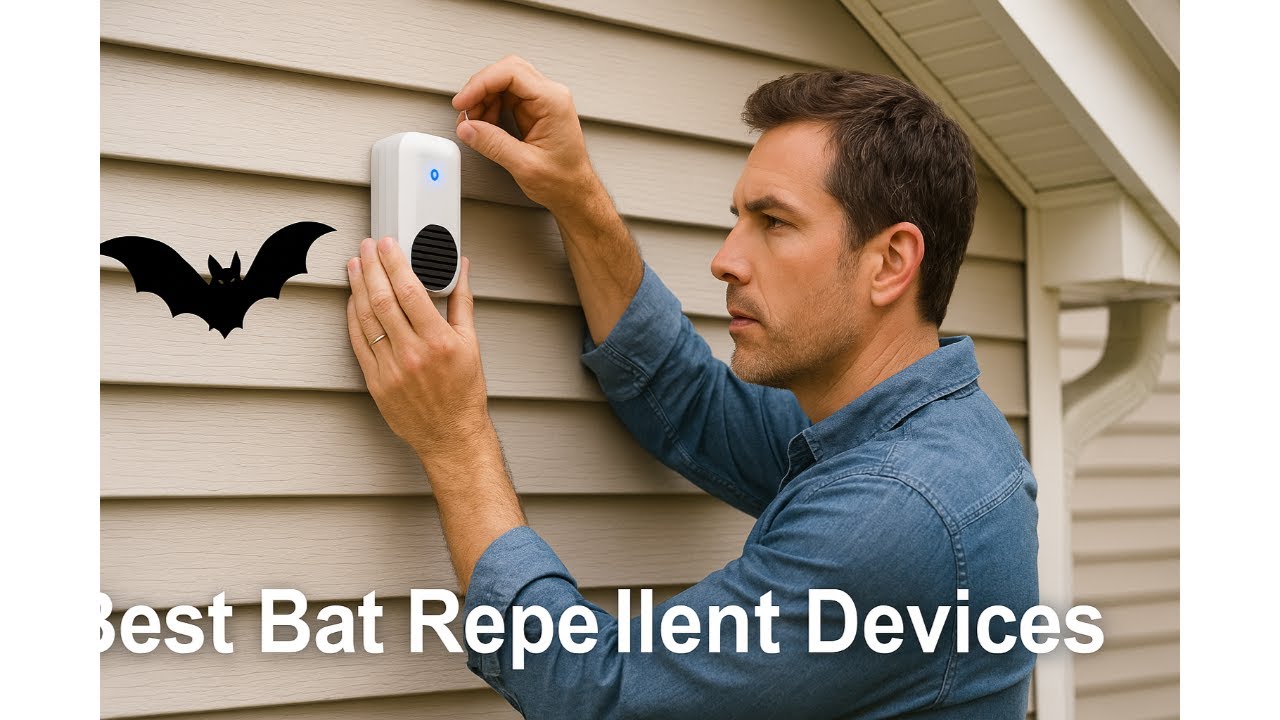
🦇 Best Bat Repellent Devices | Cleanrth CB006 Advanced Ultrasonic Bat  Repelling System 🦇

How Do You Choose the Right Bat Repellent for Your Problem?

When selecting the right bat repellent for your situation, you need to consider the specific type of bat problem you’re facing, the environment where bats are present, and any safety or regulatory constraints.

Identify whether bats are roosting, nesting igreenasia, or merely passing through, as this determines repellent intensity and duration.

Assess the location—indoor spaces require different formulations than outdoor areas, factoring in ventilation and human activity.

Check legal restrictions on wildlife control in your region to avoid penalties.

Also, consider ease of application and maintenance frequency; some repellents need multiple treatments.

By evaluating these factors precisely, you ensure effective bat management while maintaining your freedom to use the space safely and responsibly.

This strategic approach helps you select a repellent tailored to your unique bat challenge.

What Ingredients Make Bat Repellents Safe and Effective?

Selecting the right bat repellent involves understanding the active ingredients that provide both safety and effectiveness.

You’ll want formulas containing natural compounds like naphthalene derivatives, which disrupt bats’ echolocation without causing harm.

Essential oils such as peppermint or eucalyptus serve as non-toxic deterrents by creating an environment bats find inhospitable.

Avoid repellents with harsh chemicals like formaldehyde or potent pesticides that pose health risks to you and local wildlife.

Additionally, ingredients should degrade quickly to minimize environmental impact.

Look for EPA-approved substances or those backed by scientific studies confirming their repellent efficacy and low toxicity.

How Should You Apply Bat Repellents for Best Results?

Apply bat repellents strategically to maximize their effectiveness and ensure safety. Begin by identifying bat entry points like vents, eaves, and attic gaps where repellents will have direct impact.

For chemical repellents, apply evenly on surfaces bats contact, avoiding over-application to prevent residue buildup. Use protective gear during application to safeguard yourself and others. If using gel or spray forms, reapply after rain or cleaning, as moisture reduces efficacy.

In contrast, ultrasonic devices should be positioned in open areas free of obstructions for optimal sound dispersion. Avoid placing repellents near food or water sources to maintain hygiene.

Consistent monitoring post-application allows you to adjust placement or reapply as needed, ensuring long-term bat deterrence without compromising safety or your freedom to manage your space effectively.

Ultrasonic Bat Devices for Attic: 4PCS Bat Removal Device for Garage,  Indoor Outdoor Use - Humane and Effective Rechargeable Bat Deterrent  Devices, ...

When Should You Use Sound-Based or Chemical Bat Repellents?

How do you determine the best situations for using sound-based versus chemical bat repellents?

Use sound-based repellents when you want a non-toxic, humane approach that disrupts bat echolocation in open areas like attics or large outdoor spaces. They’re ideal if you prefer minimal chemical exposure and need temporary deterrence.

Chemical repellents work better in confined spaces or entry points where bats roost or nest, applying substances like naphthalene or essential oils that bats find offensive. Choose chemical options when you require longer-lasting effects, but ensure proper ventilation and safety precautions.

Ultimately, select sound-based repellents for flexibility and ease, while chemical repellents offer targeted, persistent deterrence—both empower you to protect your space effectively without compromising your freedom to manage your environment.

How Can You Combine Bat Repellents With Other Control Methods?

Balancing sound-based and chemical bat repellents provides a solid foundation, but integrating additional control methods enhances effectiveness.

You should start by sealing entry points using durable materials to prevent bats from accessing your property.

Combining physical barriers with repellents limits bats’ ability to return.

Additionally, maintaining proper lighting around your space disrupts bat activity, complementing repellent effects.

You can also employ habitat modification, such as removing nearby roosting sites, to reduce bat attraction.

Regular monitoring ensures you adapt your strategy based on bat behavior and repellent performance.

Conclusion

To choose an effective bat repellent, first identify whether bats are roosting, nesting, or just passing through, and assess your indoor or outdoor setting. Prioritize low-toxicity ingredients like naphthalene derivatives or essential oils, and consider EPA-backed options. Apply repellents carefully at entry points using protective gear. Use sound-based methods for targeted disruption and chemical repellents for broader control. Combine these with sealing, habitat modification, and monitoring to ensure lasting bat management results.

Choosing the Right Pet Grooming Academy for Long-Term Skills

Choosing the right pet grooming academy involves evaluating its curriculum for thorough breed-specific knowledge and hands-on training. Instructor expertise and industry experience guarantee practical insights and up-to-date techniques pet grooming course. Certification and accreditation verify program quality and skill credibility. Alumni success and career support services reflect real-world applicability and professional growth opportunities. Additionally, well-equipped facilities provide essential practice environments. Understanding these factors is vital for building long-term grooming skills and career resilience, with further considerations enhancing this decision process.

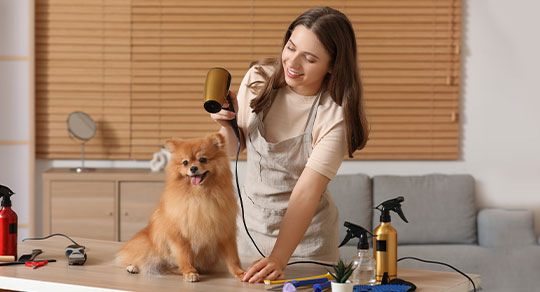
Top 5 Pet Grooming Courses You Didn't Know You Needed | Apex Academy

Evaluating Curriculum Depth and Practical Training

A thorough curriculum forms the foundation of effective pet grooming education. It guarantees students gain extensive knowledge of breed-specific grooming techniques, coat care, hygiene, and animal behavior.

A well-designed program balances theory with hands-on practice, allowing learners to develop confidence and dexterity in handling various pets. Practical training opportunities, such as real-life grooming sessions or simulated environments Pet Universe Cosmos, foster skill mastery and adaptability.

This experiential learning empowers individuals to work independently and creatively within the grooming industry. Evaluating an academy’s curriculum depth and practical components reveals its commitment to preparing students for diverse challenges.

Freedom in career choices stems from solid foundational skills acquired through rigorous, immersive training that promotes both competence and personal growth in pet grooming.

Assessing Instructor Expertise and Industry Experience

Beyond curriculum quality, the qualifications and experience of instructors greatly influence the effectiveness of pet grooming education. Skilled instructors bring practical insights that textbooks cannot provide, helping students develop confidence and adaptability.

Industry veterans who have worked with diverse breeds and grooming styles offer real-world perspectives essential for mastering techniques. Their hands-on expertise can guide students through common challenges and advanced skills alike.

Furthermore, instructors actively engaged in the grooming industry remain updated on trends, tools, and best practices, ensuring education stays relevant.

When selecting a pet grooming academy, prospective students should research instructor backgrounds, including years of professional grooming, certifications, and any competitive achievements. This due diligence empowers learners to choose programs where knowledgeable mentors can foster long-term skill development and professional independence.

Considering Certification and Accreditation Standards

Certification and accreditation serve as critical benchmarks for evaluating the credibility and quality of pet grooming academies. These standards indicate that an institution meets established industry criteria, ensuring consistent training and recognized credentials upon completion.

Prospective students should verify whether an academy holds accreditation from reputable organizations, as this often reflects adherence to rigorous curriculum guidelines, safety protocols, and ethical practices. Certification programs aligned with national or international grooming bodies further validate the skills taught, promoting professional freedom by equipping graduates with widely accepted qualifications.

Choosing an academy with proper certification and accreditation reduces uncertainty, empowering individuals to pursue careers with confidence and the flexibility to work across various settings. This foundation supports long-term skill development and enhances future opportunities within the pet grooming industry.

The Ultimate Guide to Choosing the Best Pet Grooming Academy in Malaysia -  SGE 20

Reviewing Alumni Success and Career Support Services

How effectively does a pet grooming academy support its graduates in launching their careers? Evaluating alumni success offers clear insights into an academy’s real-world impact. Graduates who secure rewarding positions or establish independent businesses demonstrate the practical value of the training received.

Furthermore, career support services play an essential role in fostering this freedom. Services such as job placement assistance, resume building, and networking opportunities equip students to navigate the industry confidently.

Academies that maintain active alumni networks also provide ongoing mentorship and peer support, further enhancing graduates’ professional growth.

Prospective students seeking autonomy should prioritize institutions with proven track records of alumni success and robust career support, ensuring a smoother shift from training to thriving in the pet grooming field.

Exploring Facilities, Tools, and Hands-On Learning Opportunities

The quality of a pet grooming academy’s facilities and equipment directly influences the learning experience and skill development of its students. Access to modern tools and a well-equipped environment fosters confidence and mastery, enabling students to work efficiently and creatively.

Hands-on learning opportunities are essential for gaining real-world experience and independence in grooming techniques.

Key aspects to reflect on include:

  • Variety and condition of grooming tools and machines
  • Availability of diverse dog breeds and coat types for practice
  • Clean, spacious, and safe grooming stations
  • Instructors’ supervision during practical sessions
  • Opportunities for real client interactions or internships

These factors empower students to develop practical skills and adapt freely to challenges, laying a strong foundation for long-term success.

Conclusion

Selecting the right pet grooming academy requires careful evaluation of several key factors. A thorough curriculum paired with practical training guarantees foundational skills, while experienced instructors provide valuable industry insights. Accreditation and certification validate program quality, and strong alumni outcomes reflect effective career support. Additionally, modern facilities and hands-on learning opportunities enhance skill development. Together, these elements contribute to long-term professional growth and success in the pet grooming industry.